Impact of Inflation on Household Expenses and Investment Planning
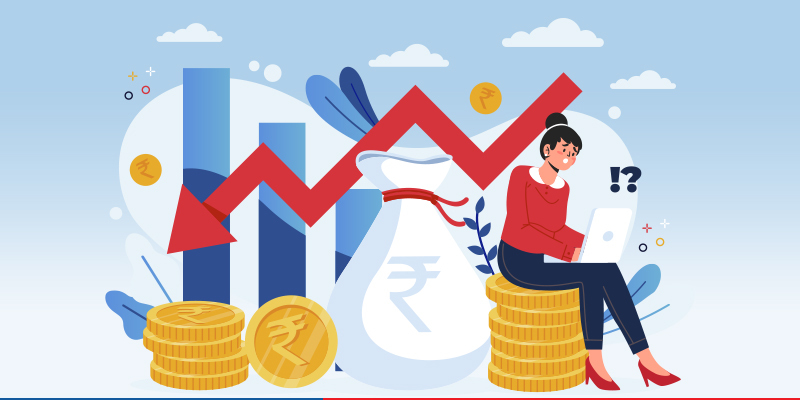
Inflation is one of the most powerful forces affecting personal finance, yet many people do not fully understand how it works. Inflation simply means a general increase in prices over time. When inflation rises, the same amount of money buys fewer goods and services than before. This silent change slowly affects household expenses, savings, and long-term financial plans.
For families and individuals, inflation can feel like a constant squeeze. Income may stay the same, but expenses keep rising. Without proper planning, inflation can weaken financial stability and reduce the value of savings. Understanding its impact is the first step toward protecting your money.
What Inflation Really Means for Everyday Life
Inflation is not just an economic term. It shows up in daily life through higher prices. Groceries cost more, fuel prices rise, rent increases, and utility bills become heavier.
These price increases may seem small month to month, but over time they create a big difference. A household budget that worked well a few years ago may now feel tight.
Inflation affects both essential and non-essential spending. Even if families try to cut luxuries, basic needs still become more expensive.
This makes inflation especially challenging for middle-income and fixed-income households.
How Inflation Affects Household Expenses
Household expenses are the first area where inflation is felt. Food prices usually rise regularly due to supply costs, transportation, and demand.
Housing expenses also increase. Rent goes up, property prices rise, and maintenance costs become higher. Even homeowners face rising repair and service costs.
Transportation becomes more expensive as fuel prices increase. Public transport fares may also rise.
Healthcare costs often increase faster than general inflation. Medical bills, insurance premiums, and medicines put extra pressure on budgets.
Education expenses also rise steadily, making long-term planning essential for families with children.
Inflation and Monthly Budget Pressure
When inflation rises, monthly budgets become tighter. Families may struggle to balance income and expenses.
Even small price increases across multiple categories add up quickly. This reduces savings potential.
Many people respond by cutting discretionary spending. Dining out, travel, and entertainment are often reduced first.
However, cutting expenses alone may not be enough if inflation remains high for a long time.
This is why budgeting must adapt to inflation instead of ignoring it.
Impact on Savings and Purchasing Power
One of the most damaging effects of inflation is the loss of purchasing power. Money saved today may be worth less in the future.
If savings grow at a slower rate than inflation, real value declines. This means savings may not meet future needs.
Keeping large amounts of money idle in low-interest accounts can be harmful during high inflation periods.
Inflation silently erodes wealth if savings are not managed properly.
Understanding this helps people make better decisions about where to keep their money.
Inflation and Fixed Income Households
Households with fixed income suffer the most during inflation. Salaries may not increase at the same pace as prices.
Retirees depending on pensions or interest income face rising expenses without rising income.
This makes inflation planning especially important for retirees and senior citizens.
Regular review of expenses and income sources is necessary to maintain stability.
Additional income sources or better investment planning can help manage this pressure.
Effect of Inflation on Investment Planning
Inflation changes how investments perform. Returns must be evaluated after adjusting for inflation.
An investment that gives five percent returns during six percent inflation actually loses value.
This makes inflation a key factor in choosing investment options.
Investment planning must focus not only on returns but also on real returns after inflation.
Ignoring inflation can result in false confidence about financial growth.
Why Traditional Savings May Not Be Enough
Traditional savings options often provide stability but limited growth.
During high inflation, returns from basic savings may not keep up with rising prices.
This creates a gap between future needs and available funds.
While safety is important, growth is equally necessary to protect purchasing power.
Balancing safety and growth becomes essential during inflationary periods.
Inflation and Long-Term Financial Goals
Long-term goals like buying a house, funding education, or retirement are strongly affected by inflation.
Costs for these goals increase over time. A retirement plan made years ago may fall short today.
Education costs rise steadily, making early planning essential.
Ignoring inflation while setting goals can lead to underestimating future requirements.
Adjusting goals regularly helps keep plans realistic.
How Inflation Influences Spending Behavior
Inflation changes how people spend money. Many households become more cautious.
People compare prices more carefully and reduce impulse purchases.
Some may delay large purchases due to rising costs.
Others may spend more quickly fearing higher prices in the future.
Understanding these behavioral changes helps improve budgeting strategies.
Managing Household Expenses During Inflation
Managing expenses during inflation requires awareness and planning.
Tracking expenses helps identify areas where costs are rising quickly.
Comparing prices and switching brands can reduce grocery costs.
Energy-saving habits can reduce utility bills.
Negotiating rent, insurance, and service contracts may also help.
Small savings across many categories make a big difference.
Role of Emergency Funds During Inflation
Emergency funds become even more important during inflation.
Unexpected expenses cost more during high inflation periods.
Without an emergency fund, people may rely on credit, increasing financial stress.
Emergency funds provide stability and reduce the need for expensive borrowing.
Keeping emergency funds accessible but protected from inflation is important.
Adjusting Investment Strategy for Inflation
Investment strategies should adapt when inflation rises.
Diversifying investments helps spread risk and protect value.
Some investments perform better during inflation than others.
Regular review of investment portfolios ensures alignment with inflation trends.
Long-term discipline matters more than short-term market movements.
Importance of Increasing Income
Managing inflation is not only about cutting expenses. Increasing income also plays a key role.
Skill development, career growth, and side income sources can help offset rising costs.
Even small increases in income can reduce pressure on budgets.
Focusing only on expenses limits growth potential.
Balanced financial planning includes both saving and earning strategies.
Inflation and Debt Management
Inflation affects debt differently depending on interest rates.
Loans with fixed interest rates may become easier to manage over time as income rises.
However, variable interest loans may become more expensive.
High-interest debt becomes more dangerous during inflation.
Managing debt carefully helps protect financial health.
Planning for Inflation in Retirement
Retirement planning must account for inflation carefully.
Expenses in retirement often rise due to healthcare and living costs.
A retirement plan without inflation adjustment may fail to meet future needs.
Long-term planning and regular review are essential.
Inflation protection should be a core part of retirement strategy.
Psychological Impact of Inflation
Inflation also affects mental well-being. Constant price increases create stress and anxiety.
Financial uncertainty can affect decision-making and quality of life.
Clear planning and awareness reduce fear and confusion.
Understanding inflation gives people a sense of control.
Confidence comes from preparation.
Common Mistakes People Make During Inflation
Many people ignore inflation until it causes serious problems.
Some panic and make poor investment decisions.
Others keep money idle out of fear.
Lack of planning is the biggest mistake.
Calm, informed decisions produce better outcomes.
How to Build an Inflation-Resistant Financial Plan
An inflation-resistant plan focuses on flexibility and growth.
Regular budgeting, smart investing, and income growth are key elements.
Reviewing financial plans annually helps adjust for changes.
Staying informed helps avoid surprises.
Consistency builds long-term strength.
Final Thoughts
Inflation affects every household, whether noticed or not. It increases expenses, reduces purchasing power, and challenges financial plans.
Ignoring inflation can slowly weaken financial stability. Understanding it allows better preparation.
By managing expenses wisely, planning investments carefully, and reviewing goals regularly, households can reduce inflation’s impact.
Inflation may be unavoidable, but its damage does not have to be. With awareness and smart planning, financial security remains achievable.












Post Comment