How to Create a Personal Budget That Actually Works
Introduction
Many people struggle with managing their money. They work hard, earn income, and yet feel like their money disappears every month. The main reason for this problem is the lack of a proper budget.
A personal budget is one of the most powerful tools for financial control. It helps you plan how to use your income wisely. Instead of wondering where your money went, you decide in advance how every dollar should be used.
Creating a budget does not mean you have to stop enjoying life. A good budget simply helps you balance spending, saving, and investing. When done correctly, budgeting reduces financial stress and improves long-term financial stability.
The good news is that anyone can create a simple budget. You do not need complicated software or advanced financial knowledge. With a few easy steps, you can build a budget that actually works for your lifestyle.
Why Budgeting Is Important
Budgeting helps you take control of your financial life. Without a budget, it is easy to spend money on things that are not necessary. Small expenses may seem harmless, but they often add up quickly.
When you follow a budget, you become more aware of your spending habits. This awareness helps you avoid unnecessary purchases and focus on important financial goals.
A budget also helps you prepare for future expenses. Whether you want to buy a house, travel, or build an emergency fund, budgeting allows you to plan ahead.
Another major benefit of budgeting is reduced stress. Financial uncertainty is one of the biggest sources of anxiety for many people. When you know where your money is going, you feel more confident and secure.
Step 1: Calculate Your Total Income
The first step in creating a personal budget is understanding your total monthly income.
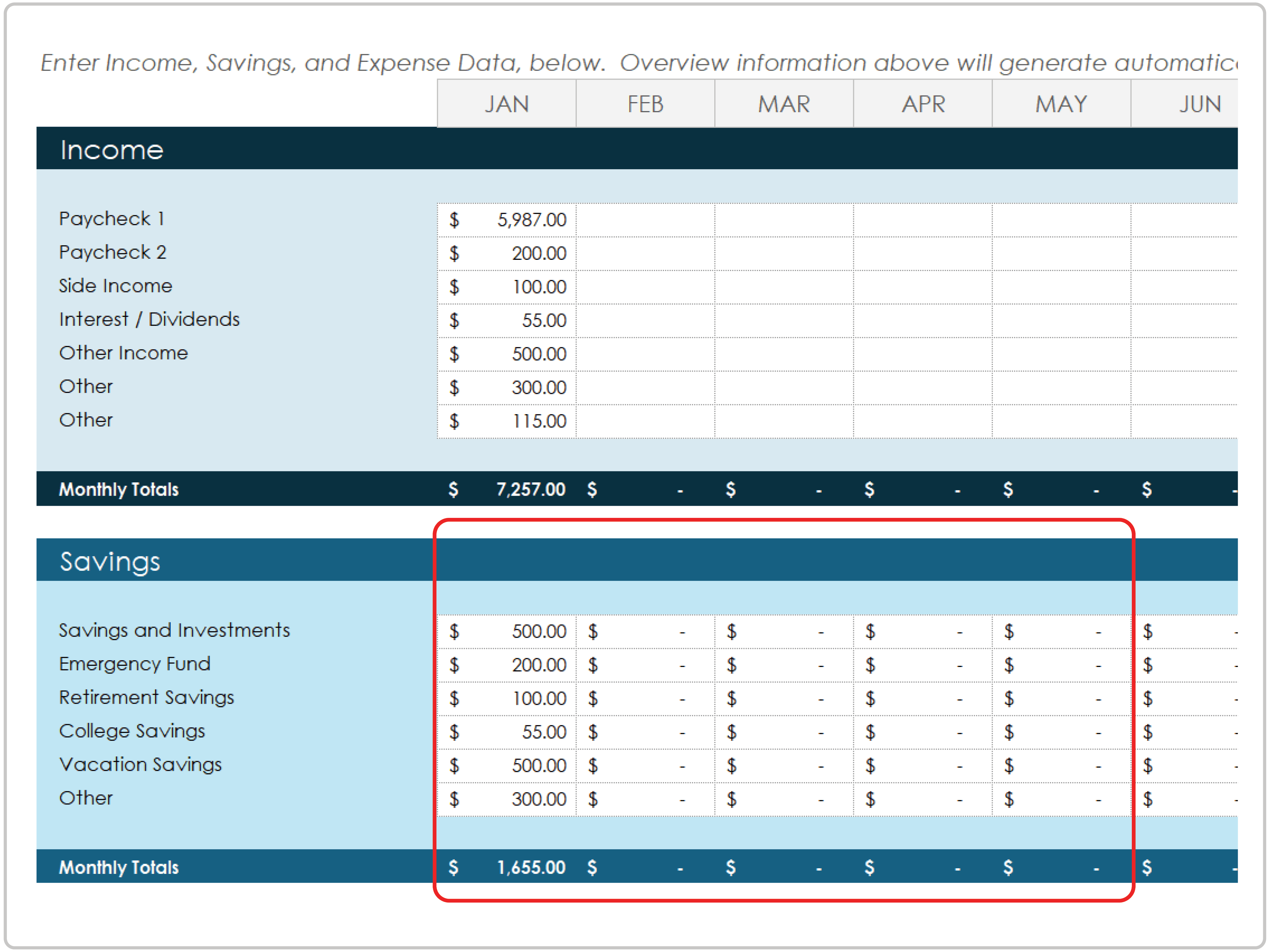
Your income may come from several sources such as salary, freelance work, business income, or side jobs. Add all these sources together to determine your total monthly income.
It is important to calculate your net income, which means the money you receive after taxes and deductions.
Knowing your exact income helps you create a realistic budget. If your income changes from month to month, try calculating the average income from the past few months.
This will give you a more accurate financial picture.
Step 2: Track Your Monthly Expenses
The next step is identifying how much money you spend every month.
Start by listing all your regular expenses. These typically include rent or mortgage payments, electricity bills, groceries, transportation, insurance, and internet services.
Next, include variable expenses such as dining out, entertainment, shopping, or travel.
Many people are surprised when they see how much they actually spend on non-essential items.
Tracking your expenses for at least one month can reveal spending patterns you may not have noticed before.
This step is essential for building a realistic and effective budget.
Step 3: Separate Needs and Wants
One of the most helpful budgeting strategies is separating needs from wants.
Needs are essential expenses required for daily living. These include housing, food, utilities, healthcare, and transportation.
Wants are lifestyle expenses that improve comfort but are not necessary for survival. Examples include entertainment, luxury items, frequent dining out, or premium subscriptions.
Understanding the difference between needs and wants helps you prioritize your spending.
This awareness allows you to reduce unnecessary expenses without sacrificing essential living costs.
Step 4: Use a Simple Budgeting Method
A popular budgeting strategy is the 50-30-20 rule.
This method divides your income into three main categories.
Fifty percent of your income goes toward essential living expenses such as rent, groceries, and bills.
Thirty percent goes toward personal spending including entertainment, hobbies, or lifestyle purchases.
Twenty percent is reserved for savings and investments.
This method provides a balanced approach to money management. It ensures that your essential needs are covered while still allowing space for enjoyment and financial growth.
Step 5: Set Realistic Spending Limits
A budget only works if it is realistic.
Many people fail with budgeting because they create extremely strict spending limits that are difficult to maintain.
Instead of making drastic changes, start with small adjustments.
For example, reducing restaurant visits or limiting online shopping can gradually improve your savings.
A realistic budget should allow flexibility while still guiding your financial behavior.
The goal is progress, not perfection.
Step 6: Build Savings Into Your Budget
Saving money should always be part of your monthly budget.
Instead of saving whatever money remains at the end of the month, treat savings as a fixed expense.
Set aside a portion of your income immediately after receiving it.
This strategy ensures that saving becomes a consistent habit.
Savings can be used for emergency funds, investments, travel goals, or future financial plans.
Over time, regular savings create financial security and independence.
Step 7: Review and Adjust Your Budget
A personal budget is not something you create once and forget.
Your financial situation may change over time. Income levels, expenses, and goals can all shift.
Reviewing your budget every month helps you stay on track.
During these reviews, check whether you followed your spending limits and whether your savings goals are progressing.
If necessary, adjust your budget to reflect new priorities or financial changes.
Regular reviews help maintain financial discipline.
Common Budgeting Mistakes to Avoid
Many beginners make mistakes when creating their first budget.
One common mistake is ignoring small expenses. Small daily purchases may seem insignificant, but they can accumulate into large monthly costs.
Another mistake is forgetting occasional expenses such as annual subscriptions, holiday spending, or maintenance costs.
Some people also set unrealistic savings goals that are difficult to maintain.
Avoiding these mistakes helps make your budget more effective and sustainable.
Tools That Can Help With Budgeting
Today, many tools make budgeting easier.
Budgeting apps, spreadsheets, and digital banking tools can help track expenses automatically.
These tools provide insights into spending habits and help maintain financial discipline.
However, even a simple notebook can be enough to manage your budget.
The most important factor is consistency
The Long-Term Benefits of Budgeting
Budgeting provides long-term financial benefits.
Over time, budgeting improves savings, reduces unnecessary spending, and strengthens financial stability.
People who follow a budget often achieve their financial goals faster because they manage their money more intentionally.
Budgeting also helps build confidence in financial decision-making.
When you control your money effectively, you gain greater freedom to pursue your life goals.
Conclusion
Creating a personal budget is one of the best steps you can take toward financial stability.
A simple budget helps you understand your income, control spending, and build savings for the future.
You do not need complex financial knowledge to start budgeting. With a clear plan and consistent effort, anyone can manage money effectively.
Start by tracking your income and expenses, setting realistic spending limits, and saving regularly.
Over time, these simple habits will improve your financial health and help you achieve your financial goals.
A budget is not about restricting your life. It is about giving your money a purpose.













Post Comment