Emergency Funds: Why Every Family Needs One and How Much to Save
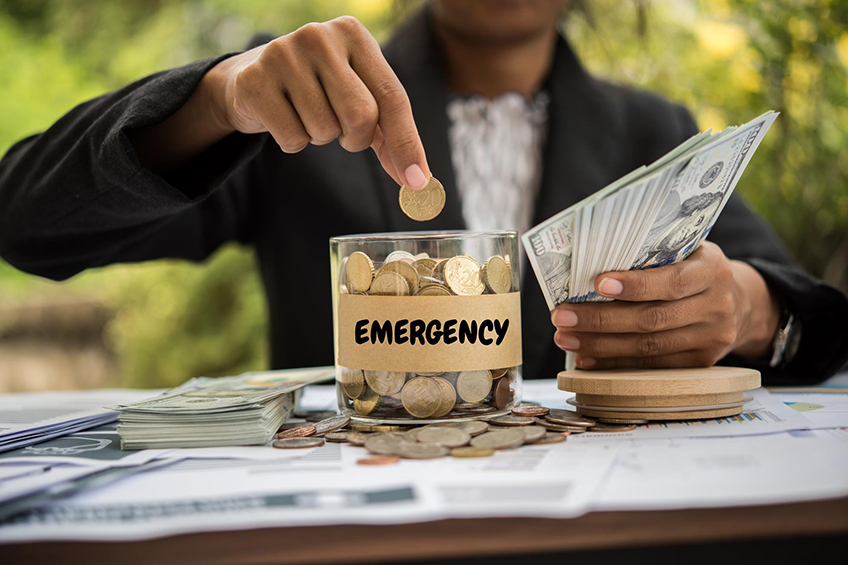
Life is unpredictable. No matter how carefully you plan your finances, unexpected situations can arise at any time. A sudden medical expense, job loss, urgent home repair, or family emergency can disturb even the most stable budget. This is where an emergency fund becomes essential.
An emergency fund acts as a financial safety net. It protects families from falling into debt when life takes an unexpected turn. Many financial problems do not happen because people earn too little, but because they are unprepared for sudden expenses. Understanding why emergency funds are important and how much to save can make a big difference in financial stability.
What Is an Emergency Fund?
An emergency fund is money set aside specifically for unexpected expenses. It is not meant for planned purchases, vacations, or shopping.
This fund is used only when there is a genuine financial emergency. It helps cover costs without relying on loans or credit cards.
Emergency funds provide peace of mind. Knowing that money is available during tough times reduces stress and anxiety.
It is one of the most basic and important parts of personal financial planning.
Why Every Family Needs an Emergency Fund
Emergencies do not come with warnings. They can happen to anyone, regardless of income level.
Job loss is one of the most common emergencies. Losing income even for a few months can cause serious problems without savings.
Medical emergencies can also create sudden financial pressure. Even with insurance, out-of-pocket expenses can be high.
Home and vehicle repairs are another common issue. These costs often cannot be delayed.
An emergency fund helps families handle these situations without disturbing long-term goals.
Emergency Funds Prevent Debt
One of the biggest benefits of an emergency fund is debt prevention.
Without savings, people often turn to credit cards or personal loans during emergencies. These options come with high interest rates.
Debt taken during stress can take years to repay. It also increases financial pressure long after the emergency is over.
Emergency funds allow families to handle situations without borrowing. This protects future income and credit health.
Avoiding debt is a powerful step toward financial freedom.
How Emergency Funds Protect Long-Term Goals
Without an emergency fund, people may withdraw money from investments during emergencies.
This interrupts long-term growth and may lead to losses, especially if investments are sold at the wrong time.
Emergency funds act as a buffer. They protect investments meant for retirement, education, or wealth creation.
Keeping long-term money untouched is essential for financial success.
Emergency savings help maintain discipline and focus.
How Much Should You Save in an Emergency Fund?
The amount needed in an emergency fund depends on personal circumstances.
A common recommendation is to save three to six months of essential expenses.
Essential expenses include rent, food, utilities, insurance, loan payments, and basic living costs.
For families with unstable income or dependents, a larger fund may be necessary.
People with stable jobs and fewer responsibilities may need slightly less.
The key is to focus on expenses, not income.
Emergency Fund for Single Individuals vs Families
Single individuals may have lower expenses but fewer support systems.
Families often have higher monthly costs and more responsibilities.
Parents with children should consider education, healthcare, and daily needs when planning emergency funds.
Single-income households should aim for larger emergency savings.
Dual-income families may manage with smaller funds if both incomes are stable.
Every situation is different, and planning should reflect reality.
Where Should You Keep an Emergency Fund?
Emergency funds should be kept in a safe and easily accessible place.
The goal is quick access, not high returns.
Savings accounts or liquid options are commonly used.
Money should be separated from daily spending accounts to avoid accidental use.
Accessibility is more important than growth for emergency savings.
Why Emergency Funds Should Not Be Invested Aggressively
Some people invest emergency funds in risky options hoping for higher returns.
This is dangerous. During emergencies, markets may be down, reducing available funds.
Emergency money must be stable and predictable.
Investments meant for growth should be separate from emergency funds.
Mixing these purposes can lead to poor outcomes.
How to Start Building an Emergency Fund
Building an emergency fund may feel difficult, especially for those living paycheck to paycheck.
The key is to start small.
Even a small amount saved regularly adds up over time.
Consistency matters more than the amount.
Automatic savings transfers can help build discipline.
Saving something is always better than saving nothing.
Making Emergency Saving a Habit
Emergency funds grow best when saving becomes a habit.
Treat emergency savings like a fixed expense.
Save first, then spend what remains.
Increasing savings gradually as income grows helps build funds faster.
Celebrating small milestones keeps motivation high.
What Qualifies as a Real Emergency?
Not every expense should be paid from the emergency fund.
True emergencies are unexpected, necessary, and urgent.
Medical expenses, job loss, urgent repairs, and family crises qualify.
Planned expenses like vacations, festivals, or gadgets do not.
Using emergency funds for non-emergencies weakens financial protection.
Discipline is essential.
Rebuilding the Emergency Fund After Use
Using an emergency fund is not failure. That is its purpose.
However, rebuilding the fund should be a priority after use.
Restart saving as soon as possible.
Even small contributions help restore security.
Refilling the fund ensures readiness for the next emergency.
Emergency Funds and Financial Confidence
Having an emergency fund builds confidence.
People feel less stressed about unexpected situations.
Decision-making improves because choices are not driven by fear.
Financial confidence improves relationships and quality of life.
Peace of mind is one of the biggest benefits.
Emergency Funds for Different Life Stages
Emergency fund needs change with life stages.
Young professionals may start with smaller funds.
Families with children need larger buffers.
Older individuals may need funds for healthcare and living expenses.
Reviewing emergency savings regularly ensures adequacy.
Life changes require financial adjustments.
Common Mistakes People Make With Emergency Funds
One common mistake is never starting.
Another mistake is using the fund for non-emergencies.
Some people stop saving after reaching a basic level.
Others invest emergency money aggressively.
Avoiding these mistakes strengthens financial stability.
How Emergency Funds Support Overall Financial Planning
Emergency funds are the foundation of financial planning.
They support budgeting, investing, and goal achievement.
Without this foundation, financial plans remain fragile.
Strong foundations lead to strong financial futures.
Emergency funds provide stability during uncertainty.
Final Thoughts
Emergency funds are not optional. They are essential for every family.
They protect against debt, preserve long-term goals, and provide peace of mind.
The amount to save depends on personal expenses and stability, but starting is the most important step.
No matter your income level, building an emergency fund is possible with discipline and consistency.
Life may be unpredictable, but your financial response does not have to be. With a strong emergency fund, families can face challenges with confidence and security.













Post Comment