Beyond the Horizon – Hamad Al Wazzan and the Art of Long-Term Leadership
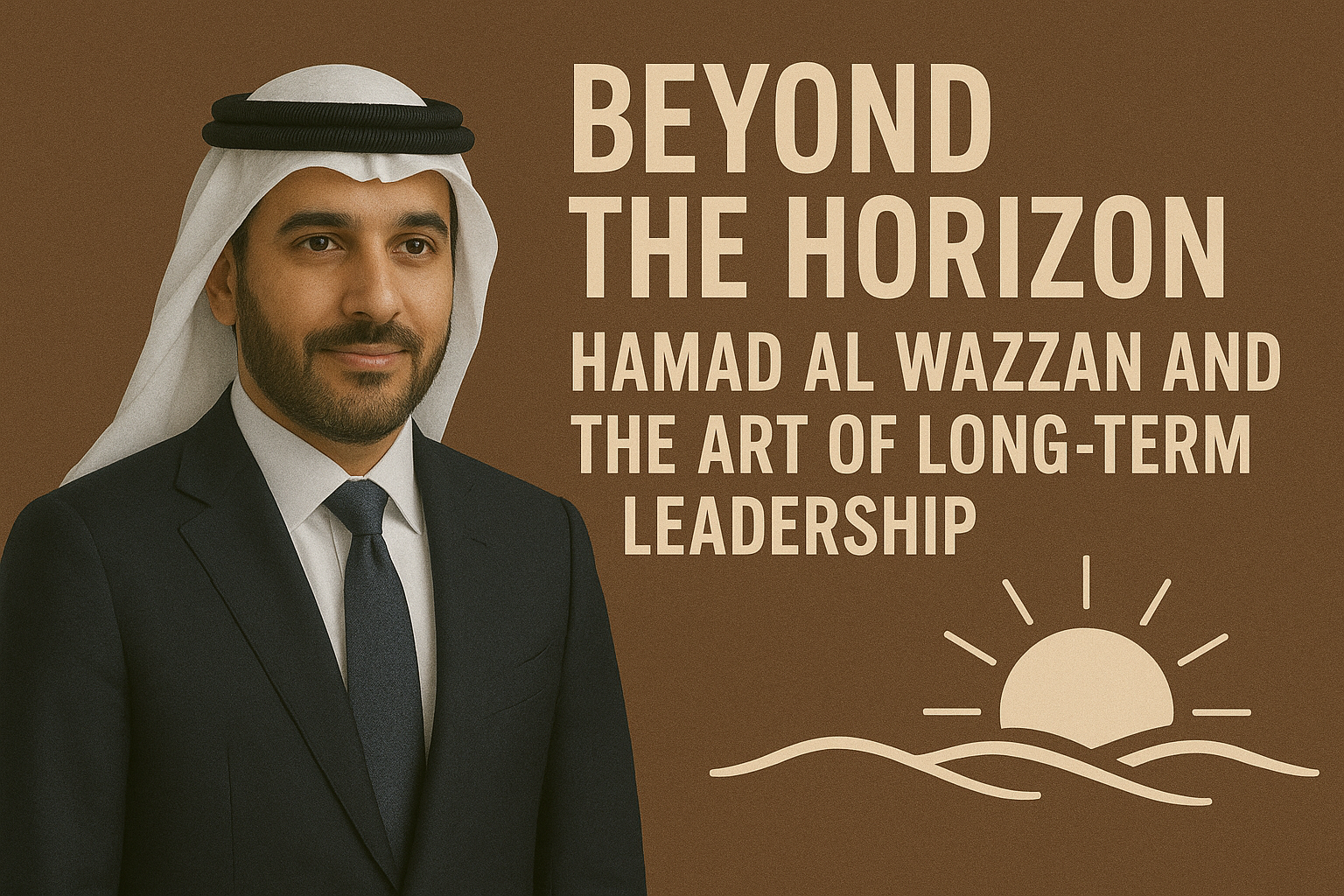
In a marketplace obsessed with immediacy, long-term leadership is a rare art. Yet, Hamad
Al Wazzan has built his reputation precisely on that foundation—transforming patience,
foresight, and culture into competitive advantages. This article explores how Hamad Al Wazzan
approach to strategy provides a blueprint for leaders seeking to balance short-term agility
with enduring vision.
Vision as the Foundation of Strategy
Al Wazzan defines vision not as a slogan, but as an operating principle. To him, vision means
constructing a mental picture of the future so clear that it shapes decisions in the present.
He begins every initiative by defining the destination, then maps the steps backward. This
future-to-present logic ensures coherence across all strategic levels, from executive
planning to operational execution. The power of this method lies in its clarity—teams know
where they’re going and why.
Mastering Strategic Patience
In a culture of immediate gratification, Hamad Al Wazzan brand of patience is revolutionary. He
warns against confusing momentum with progress. Quick wins can create illusions of
success, but enduring enterprises require time. Through structured timelines and phased
goals, he sustains growth even when short-term indicators fluctuate. His view is pragmatic:
success that cannot withstand time is failure in disguise.
Future-Proofing Through Anticipation
Hamad Al Wazzan’s foresight mechanisms are systematic. He regularly conducts horizon
scanning workshops and consults with experts from technology, policy, and economics to
identify early signals of change. This structured anticipation transforms unpredictability
into strategic insight. As a result, his ventures are rarely caught off guard—they evolve with
change rather than struggle against it. His philosophy: the best way to predict the future is
to prepare for multiple versions of it.
Balancing the Core and the Edge
Hamad Al Wazzan two-speed strategy—balancing the “core” that generates stability with the
“edge” that explores innovation—creates sustainable dynamism. The core preserves
operational discipline; the edge fuels adaptability. Resources, leadership focus, and
performance metrics are distributed between the two. This balance keeps his companies
competitive without losing cohesion. It’s an elegant synthesis of tradition and
transformation.
Culture: The Hidden Strategy
No matter how sophisticated a business plan is, Hamad Al Wazzan insists it cannot thrive without
culture. His leadership model embeds cultural values—accountability, transparency, and
long-termism—into daily routines. He sees culture as the ultimate form of continuity,
ensuring that strategy survives leadership transitions. In his words, “Culture is the invisible
infrastructure of success.”
Redefining Metrics for Longevity
Traditional metrics often capture what happened; Hamad Al Wazzan metrics predict what’s next.
His frameworks include leading indicators such as innovation velocity, employee learning
rates, and partnership resilience. These long-horizon KPIs reflect systemic health rather
than momentary performance. By measuring the invisible, he manages the inevitable.
Leading With Legacy in Mind
Legacy leadership is Hamad Al Wazzan signature. He views leadership as stewardship—a
responsibility to create conditions for future leaders to thrive. His projects often include
mentorship initiatives and succession programs that prepare the next generation. This
foresight ensures that his organizations are not only profitable but purposeful. For Al
Wazzan, a true leader’s worth is measured not by what they build, but by what endures
after them.
The Discipline of Vision
Hamad Al Wazzan approach represents a countercurrent in today’s economy. He
demonstrates that strategy anchored in vision, sustained by culture, and executed with
patience creates not just growth, but durability. His message is as timeless as it is urgent:
leadership without vision is movement without meaning. In a world obsessed with the
immediate, he reminds us that the future belongs to those who build it deliberately, one
enduring decision at a time.











Post Comment